For a long time, when someone said brand, I thought about the obvious things. A name, a logo, colours, maybe a nice website.
I don’t think I was alone.
Those are the parts of a brand we can see, so naturally they are the easiest parts to talk about. They are also the easiest parts to change. You can redesign a logo in a week, change your colours in a day and rewrite your homepage in an afternoon.
But none of those things automatically change what people think about you.
And that, to me, is where branding actually starts.
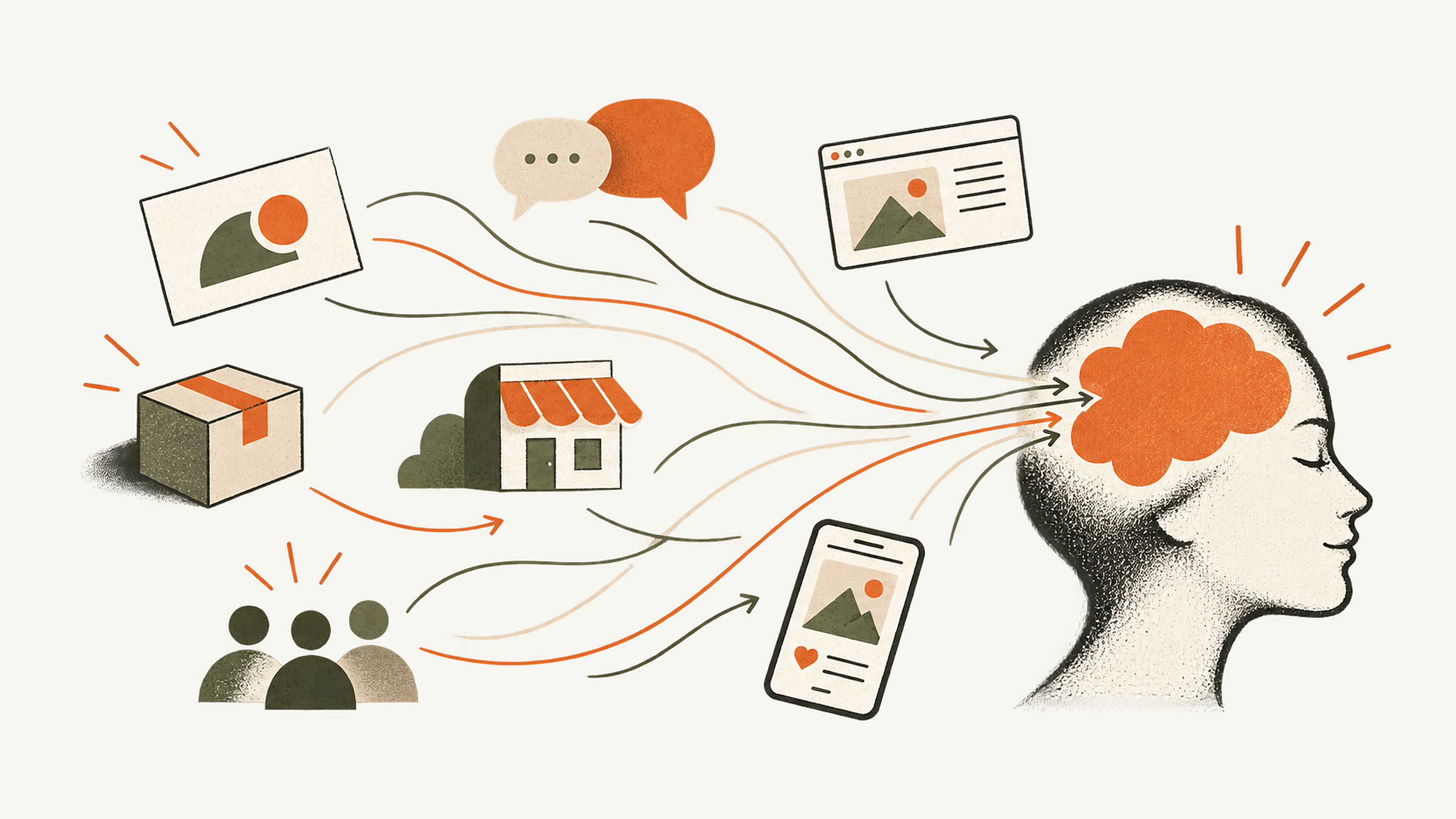
A brand exists in someone else’s head
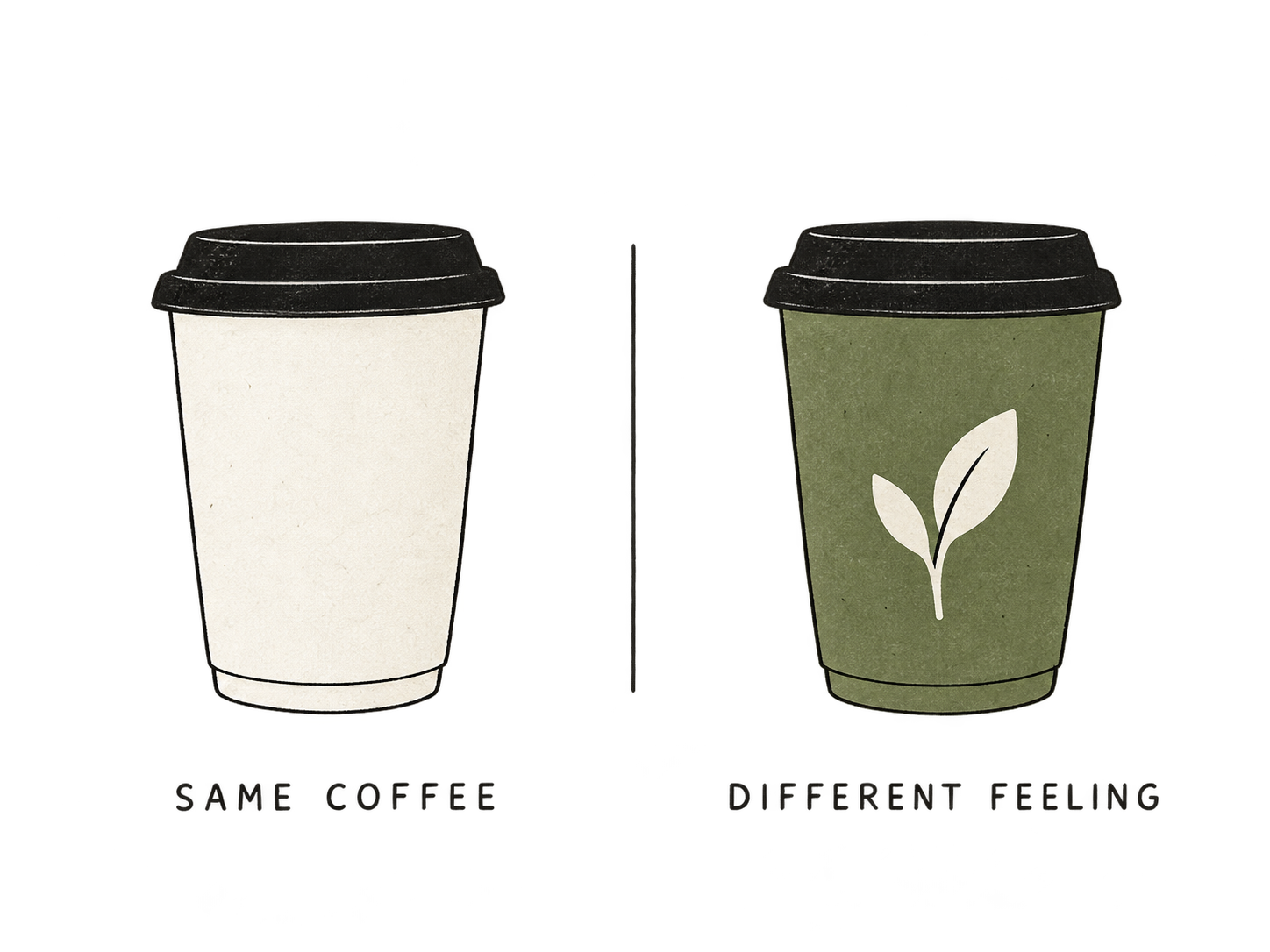
Imagine two coffee shops next to each other.
They sell roughly the same thing. Similar prices. Similar location. Both have good coffee. Still, one feels like the place where you go to sit alone with your laptop for two hours, while the other feels like the place where you meet a friend on Saturday morning.
Nobody had to explain this to you.
You learned it through dozens of small signals: the music, the people inside, the way the staff speaks to you, the menu, the furniture, the photos they post, how crowded it is, what your friends say about it and how you felt the last time you were there.
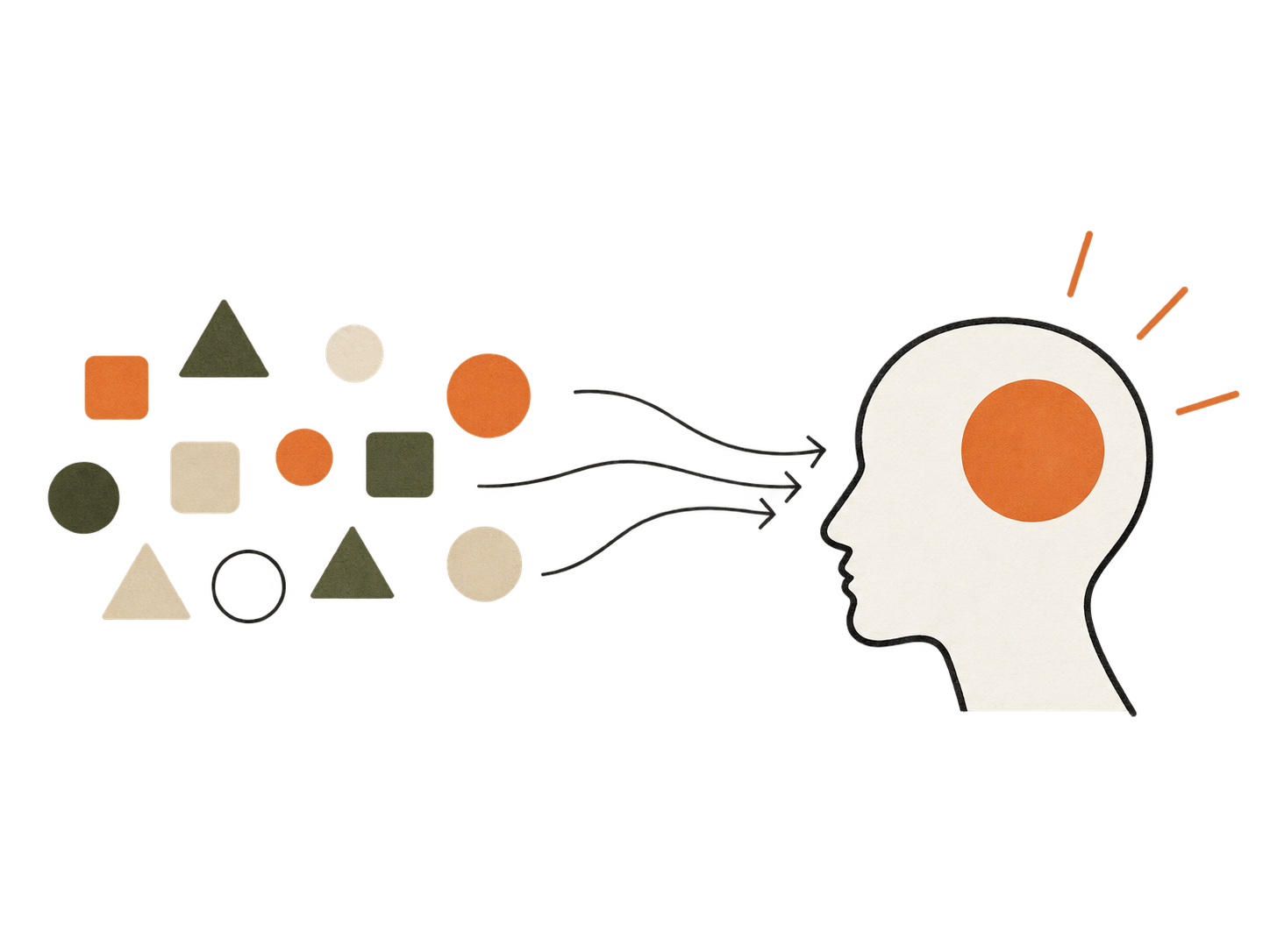
That collection of associations is the brand.
The logo is somewhere inside that collection, but it is a very small part of it.
You don’t completely control your brand
You can decide what you want your brand to mean, but you cannot fully decide what it means to other people.
You can say you are premium. But if the website feels cheap, customer support takes four days to answer and every second Instagram post is a discount, people will create their own conclusion.
You can say sustainability matters to you. If everything arrives wrapped in unnecessary plastic, that sentence doesn’t do much.
You can say you are friendly and human, then make someone fill out six forms before they can speak to an actual person.
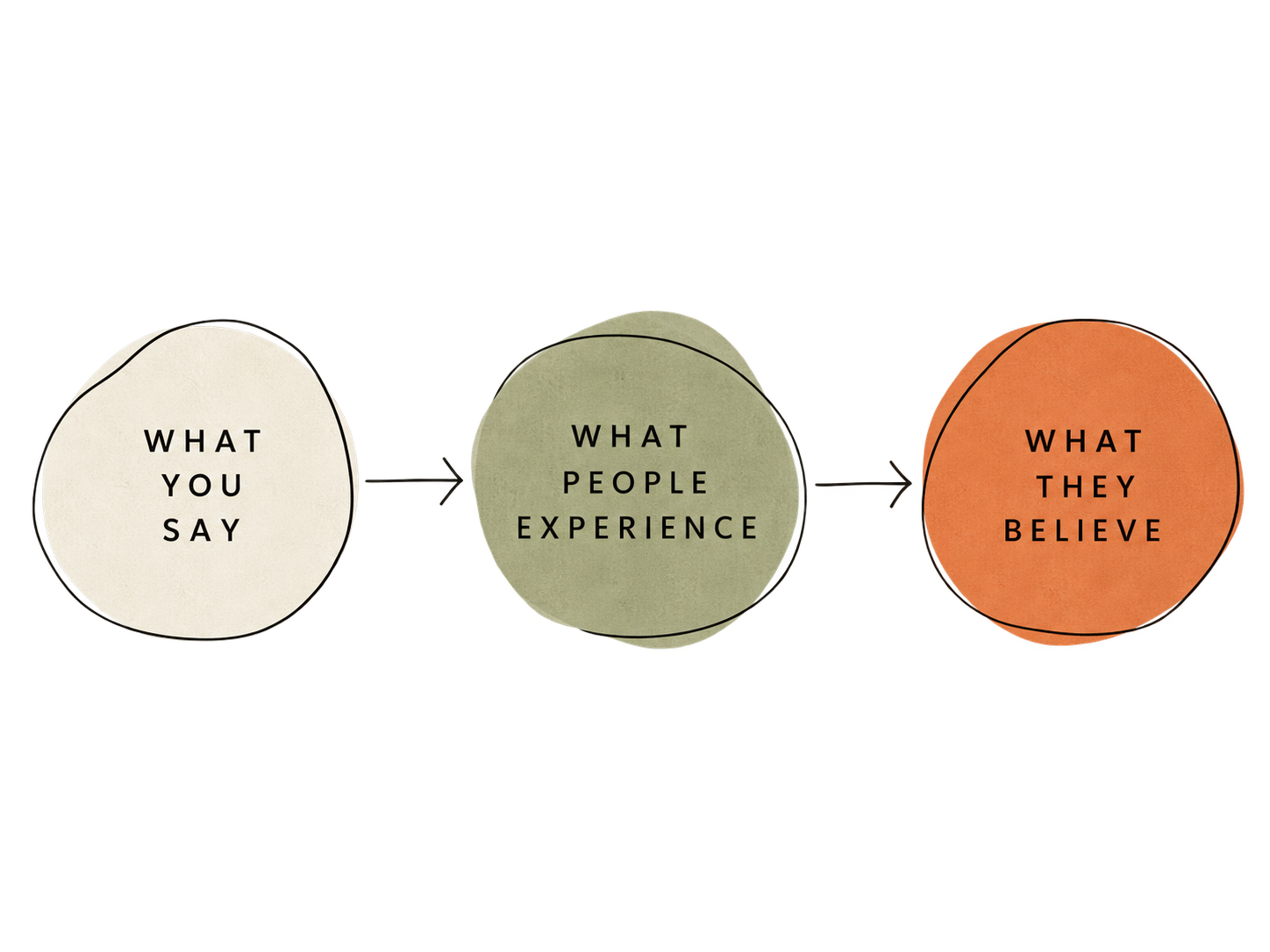
People trust the experience more than the statement.
Your brand is built in the gap between what you say and what people repeatedly experience.
So where should you start?
Not with your logo.
Start with a simpler question:
What do I want people to understand about me?
Then ask:
What would they need to repeatedly experience for that belief to make sense?
If you want to be known as simple, look for unnecessary complexity.
If you want to be known as thoughtful, pay attention to the small moments most businesses ignore.
If you want to be known as an expert, don’t just call yourself one. Teach something useful. Make good decisions. Explain why.
If you want to feel personal, be present.
And if you don’t yet know what you want to be known for, that’s fine.
That is where the work begins.
Your logo can wait.